PC Case Gear · Computer hardware retail · Melbourne
PC Case Gear: a PCI-compliant store, open to new tools
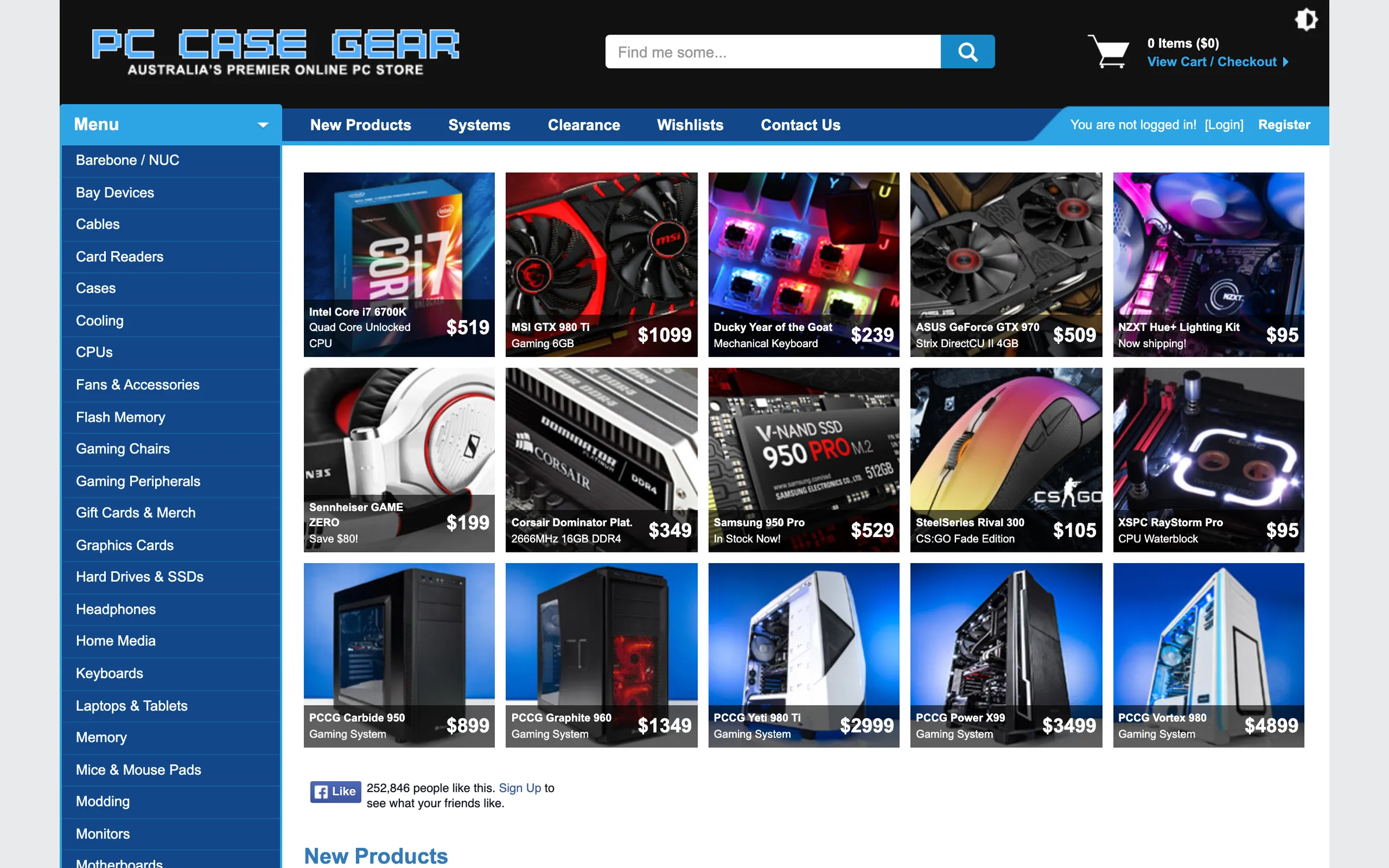
PC Case Gear is a multimillion-dollar Melbourne retailer of computer and server parts. Before Hotpot Digital, our team worked inside the PHP framework its online store ran on, in work finished by January 2016. We fixed the security risks standing between the store and PCI DSS compliance, then extended the framework to connect third-party tools, plugins and software, including tools that measure the site’s performance.
The brief
PC Case Gear sells computer and server parts to buyers across Australia, from an online store that ran on a complex, long-standing PHP framework of its own.
Taking card payments meant meeting PCI DSS, the card industry’s security standard. The brief was to bring that existing framework up to the standard, and to give it room to use third-party tools for analytics and efficiency.
What we did
- Work inside the store’s existing PHP framework
- Fixes for the security risks in that framework
- Changes to meet PCI DSS for card payments
- The framework extended to connect third-party tools, plugins and software
- Tools to measure the website’s performance
- Tools to make the team’s processes more efficient
PCI DSS
A standard every card payment has to meet
PCI DSS is the security standard the card companies set for any business that takes card payments. It covers how card data is handled and protected from the moment a customer pays, and a business that falls short can be fined or lose the ability to take cards. For a store selling online every day, meeting it is a condition of doing business.
Security
Security fixed inside the store’s own framework
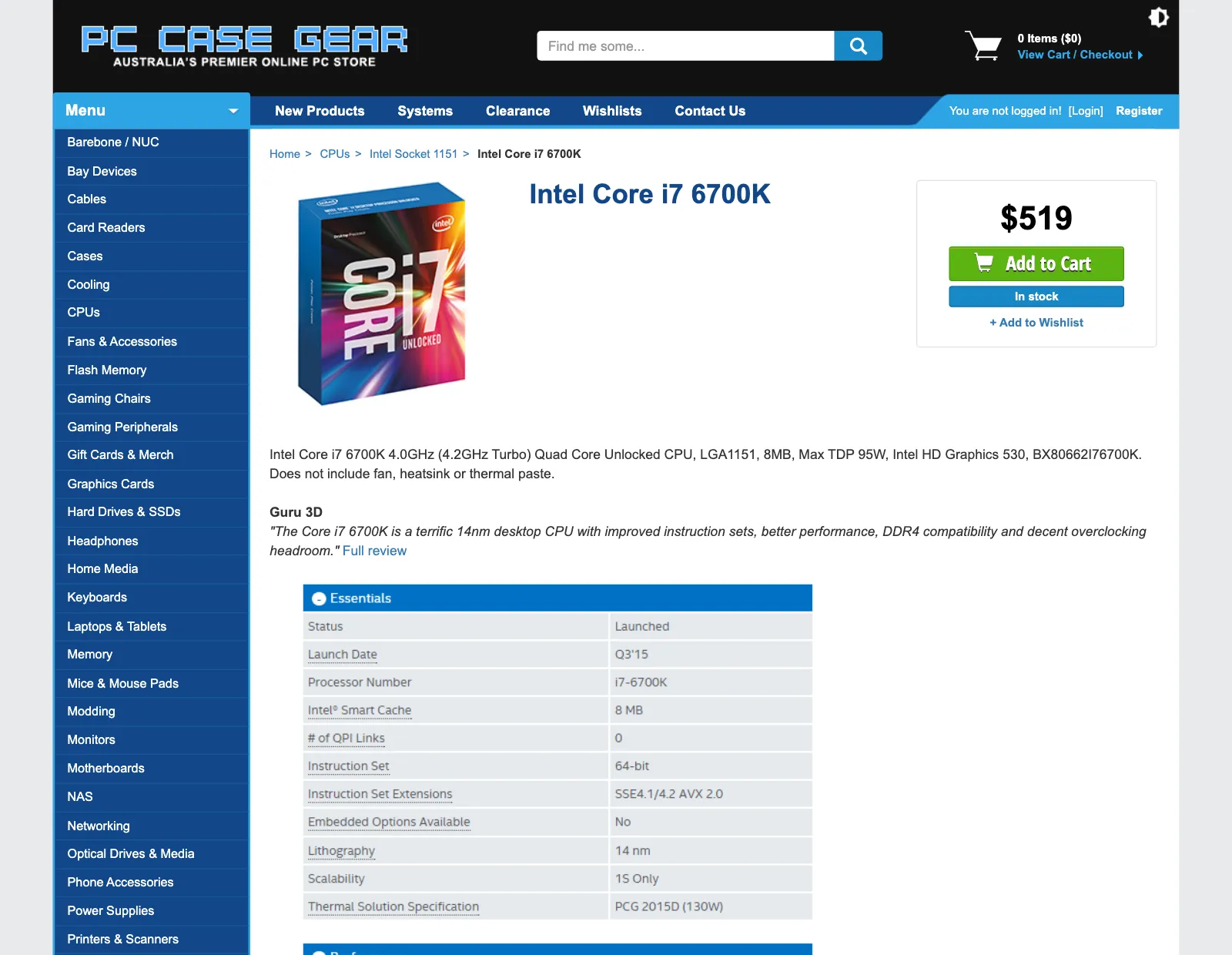
PC Case Gear’s store ran on a complex, long-standing PHP framework of its own. We kept that framework and worked inside it, finding and fixing the security risks that stood between the store and PCI compliance. Every page shoppers used, like this product page, ran on the code we worked in. The result was a store that met the standard.
Integrations
A framework that could take new tools
The second job was to open the framework up. We improved its capabilities so it could connect to third-party tools, plugins and software. The brief set two aims for those tools: analytics, so the business could see what its website was doing, and efficiency in the way the team worked day to day.
Performance tracking
Measuring how the website performs
Once the framework could take them, third-party tools went in. They improved PC Case Gear’s ability to measure how its website performed, and made the team’s own processes more efficient. That met the brief’s second aim, alongside a store that now met PCI DSS.
Key facts
- Client
- PC Case Gear (PCCG)
- Industry
- Computer hardware retail
- Based in
- Melbourne, Victoria
- When
- Finished by January 2016
- Platform
- The store’s own PHP framework
- Scope
- PCI DSS security fixes, integrations and performance tracking
- Delivered by
- Our team, before Hotpot Digital
- Today
- PC Case Gear still trades online; its store has been redesigned since
FAQ
Questions about this project
Who did the security and integration work on PC Case Gear’s store?
Our team did, before Hotpot Digital. The work was finished by January 2016. We worked on the framework behind the store and didn’t design the store itself.
What did the work involve?
Fixing the security risks that stood between the store and PCI DSS compliance, inside PC Case Gear’s existing PHP framework, then extending that framework so it could connect to third-party tools, plugins and software, including tools that measure the website’s performance.
Is this how PC Case Gear’s store runs today?
We can’t speak for its current set-up. Our work was finished in early 2016, and the store has been redesigned since. PCI DSS has also been revised since then, so a store that takes cards has to keep meeting the current version.
What would work like this cost with Hotpot Digital?
Work on a platform you already run, such as integrations or fixes, is a custom job, so there isn’t a list price. We scope it with you on a discovery call, then send one fixed price in writing before any work starts.
How long does work like this take?
It depends on the platform and how much has to change. After the discovery call we give you the timeline in writing, with the fixed price, before any work starts.
More work
Keep exploring
The Tshirt Mill
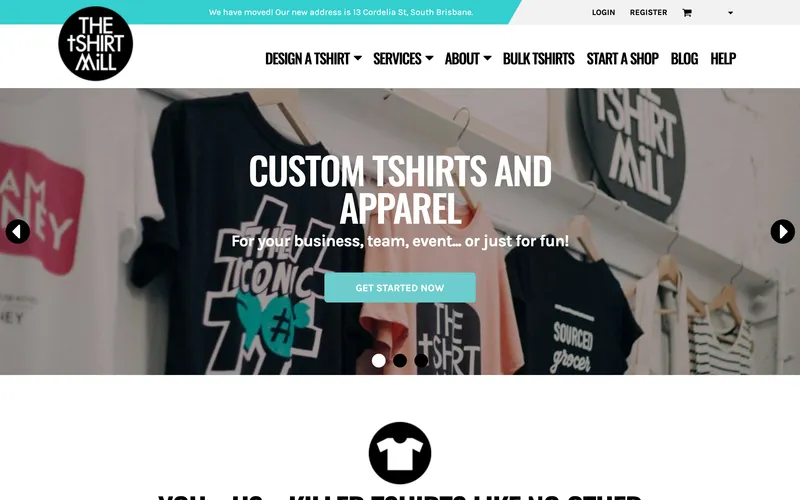
One Google Ads campaign for three printing brands. Cost per conversion fell by $30.
- Google Ads
- SEO
Qscan Group
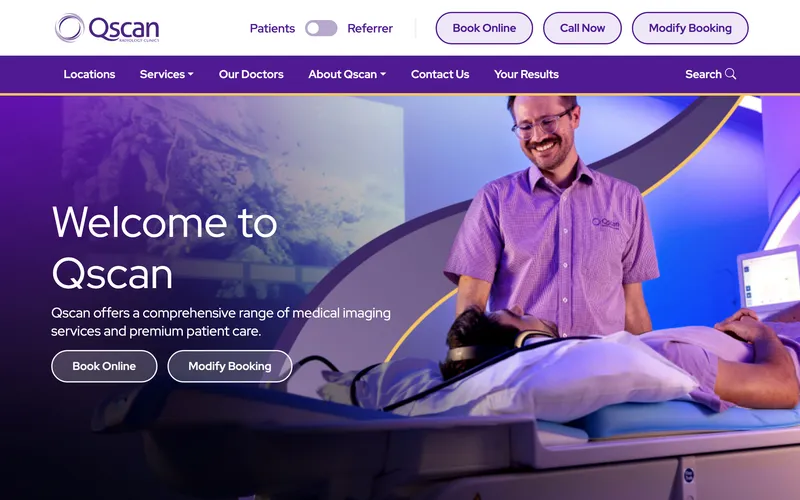
A corporate site and five clinic brands, each built for patients and referring doctors.
- Websites
- Hosting & care
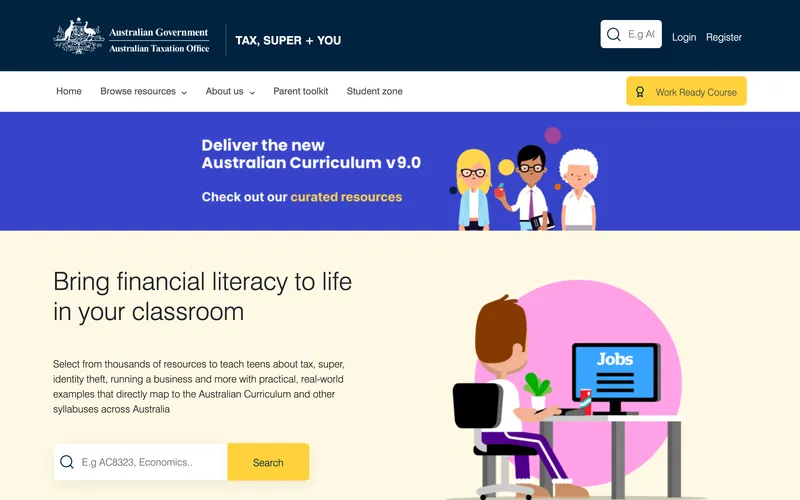
ATO: Tax, Super + You
A learning platform that teaches teens about tax and super, for the ATO.
- Custom builds
- Websites